Recycling and Sustainability at Chessington Storage
 At Chessington Storage, recycling and sustainability are built into the way the site operates every day. The aim is to support a cleaner, more efficient local environment while making storage and logistics feel responsible from start to finish. A key part of our approach is a recycling percentage target of 90%, which means we work to divert the vast majority of operational waste away from landfill through sorting, reuse, and approved recovery streams. We also keep our processes aligned with the practical reality of South West London and Surrey border areas, where mixed residential, commercial, and light industrial waste flows require careful handling and consistent separation.
Our Chessington storage sustainability approach is designed to fit into local borough waste priorities, including the separation of cardboard, plastics, metals, and general waste at source whenever possible. This reflects the way many boroughs encourage householders and businesses to sort recyclable materials before they enter the wider disposal system. By keeping recyclables clean and distinct, we improve recovery rates and help reduce the amount of material that needs further processing. The result is a more streamlined, lower-impact operation that supports the wider circular economy.
We also focus on the smallest operational details. Packaging waste, pallets, shrink wrap, paper, and damaged fittings are all reviewed for reuse or recycling before anything is discarded. Careful waste separation is especially important in a local area where transfer routes and disposal facilities need to handle different waste types efficiently. By building these habits into day-to-day practice, Chessington Storage recycling becomes more than a policy; it becomes part of the site culture.
 A major part of our sustainability work involves using local transfer stations and recycling facilities that can process waste responsibly and reduce unnecessary travel. These facilities help consolidate material streams such as mixed dry recyclables, wood, cardboard, and non-hazardous residual waste before onward treatment. Using nearby transfer stations supports lower emissions by shortening journeys and improving route efficiency. It also helps our team maintain better oversight of where materials go, which is important when managing varied waste from storage activity, packaging returns, and operational refurbishments.
Where suitable, we prioritise reuse over recycling. Items that still have value may be directed into second-life channels rather than treated as waste. This is particularly relevant for shelving components, protective materials, office consumables, and reusable containers. In a borough environment where many waste plans encourage the separation of paper, cardboard, glass, metals, and food waste, our processes are designed to complement local systems rather than add pressure to them. Recycling at Chessington Storage is therefore closely connected to how the wider area manages resources and reduces contamination.
 Another key element is our partnership with charities. Good-quality items that are no longer needed may be shared with charitable organisations, community reuse groups, or donation-led schemes where appropriate. This can include furniture, equipment, and other usable materials that might otherwise enter the disposal stream. By working with charities, we support social value as well as environmental benefit, extending the life of items and reducing the need for new materials. These partnerships make sustainable storage operations feel practical, local, and rooted in community benefit.
The transport side of our operation is equally important. We are moving toward and actively using low-carbon vans where possible, helping reduce tailpipe emissions on collections, deliveries, and waste transfers. These vehicles are chosen for improved fuel efficiency, lower environmental impact, and suitability for short-to-medium local journeys. For a business serving the Chessington area, the use of low-emission or low-carbon fleet options makes a meaningful difference, especially when many routes involve repeated stops across nearby residential and commercial locations. The aim is to keep the service responsive while reducing the carbon cost of movement.
We also pay attention to route planning so that vans travel fewer unnecessary miles. Efficient scheduling, combined loads, and careful consolidation of recyclable materials all help lower emissions further. In practice, that means collections are organised to avoid duplication and materials are moved only when there is a clear need. This is a simple but effective way to support the broader goals of Chessington Storage sustainability, while still meeting operational demands.
Where local conditions allow, our team also supports broader borough recycling trends such as the separation of green waste, dry mixed recyclables, and general refuse streams. While our site is not a civic recycling centre, the same principle applies: the cleaner the separation, the better the outcome. That mindset helps us minimise contamination and maximise recovery, especially for cardboard-heavy activity, packaging materials, and operational waste that can often be recycled if handled correctly. Responsible sorting is one of the most effective tools available for reducing environmental impact.
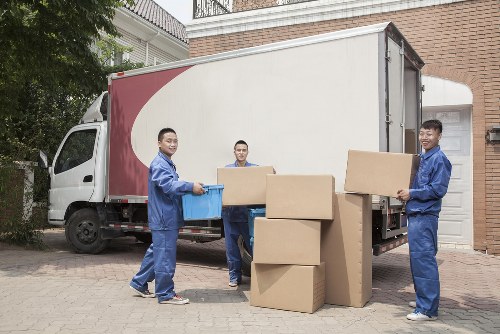 Our sustainability target is not only about percentages; it is about continuous improvement. We regularly review waste data, reuse opportunities, and transport efficiency so that the Chessington Storage recycling percentage target stays realistic and ambitious. The 90% target gives us a clear benchmark, but it also encourages us to look for better solutions over time, whether through improved segregation, stronger supplier choices, or more effective charitable partnerships. By combining these measures, we reduce the volume of waste requiring final disposal and create a stronger environmental standard for the site.
Local transfer stations remain central to that progress because they provide a reliable bridge between on-site sorting and specialist treatment or recycling. They make it possible to keep recyclable flows moving quickly, with fewer hold-ups and a lower chance of material degradation. For a storage business in a busy London-edge location, that operational stability matters. It supports both practical service delivery and a more responsible environmental footprint.
 In the end, our approach is simple: use resources carefully, recycle as much as possible, support charities where usable items can be given a second life, and keep transport emissions as low as practical with low-carbon vans. Chessington Storage recycling is shaped by the needs of the local area and by the expectation that businesses should do their part in reducing waste and carbon impact. By working with local systems and maintaining clear standards, we aim to make sustainability a normal part of storage operations, not an extra step.